
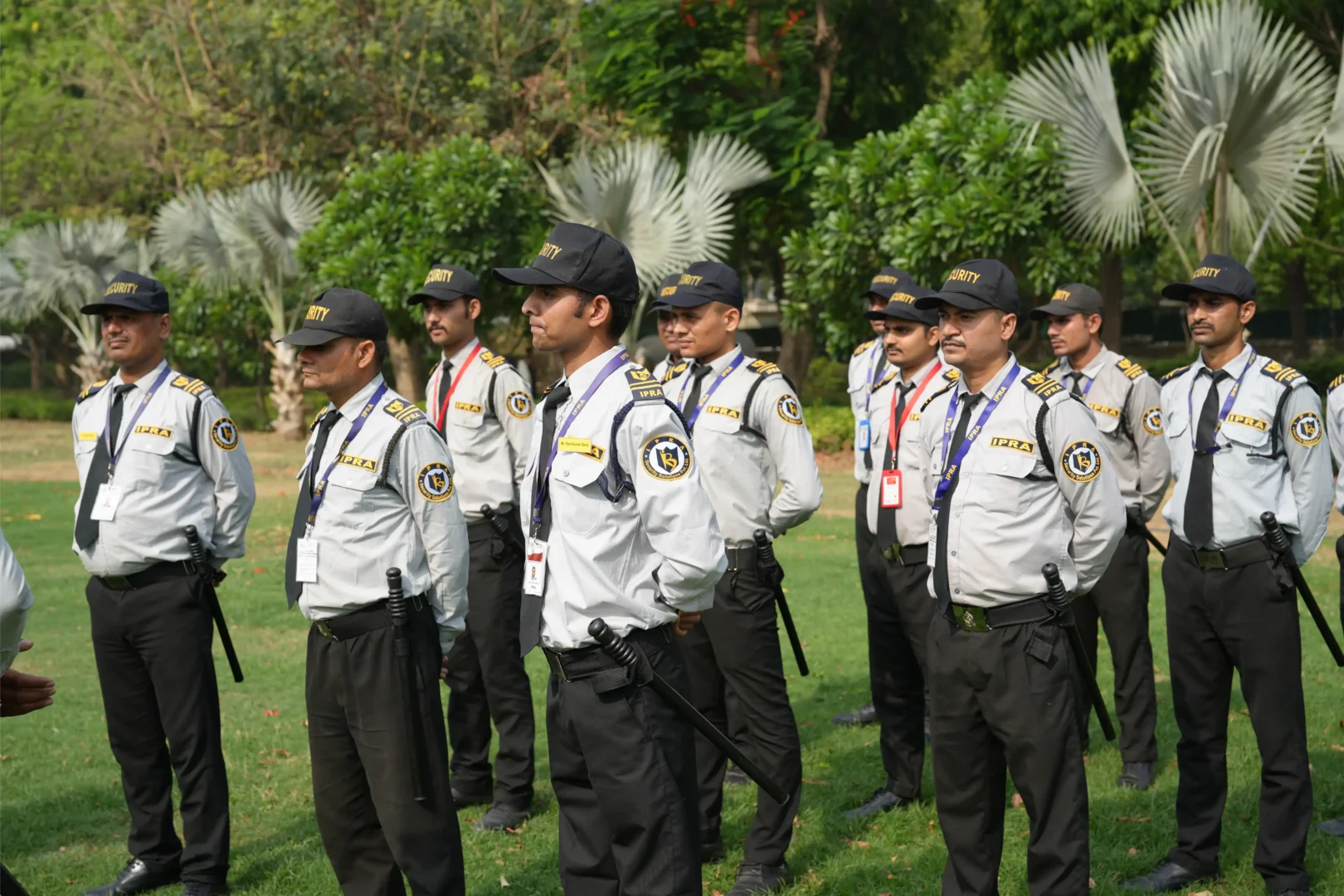
Patrolling in security is the systematic, routine inspection of a property by trained patrol guards to prevent threats, spot suspicious activity, and respond swiftly to incidents. Depending on the size and layout of a site, security teams use five main types of patrolling: foot patrol, vehicle patrol, bicycle patrol, drone patrol, and canine patrol. Combining the right patrol methods gives offices, residential complexes, industrial plants, and event venues visible protection around the clock.
Security patrolling is a crucial component of maintaining safety and vigilance across various environments. Understanding the different types of patrolling in security can help organizations choose the most appropriate methods to protect their premises and assets.
This blog will delve into what patrolling in security entails, the various types of patrolling, and the benefits of each. We will also highlight the role of patrol guards and how they contribute to overall security.
What is Patrolling in Security?
Patrolling in security involves the systematic and routine inspection of an area to prevent and detect potential threats. Security patrolling is essential for ensuring the safety of properties, assets, and individuals. Patrol guards who conduct these patrols are trained to identify suspicious activities and respond swiftly to any incidents.
Types of Patrolling in Security
- Foot Patrol: Foot patrol is one of the most common types of patrolling in security. It involves patrol guards walking through an area to maintain a visible security presence.
This method is highly effective in areas with high foot traffic, such as shopping malls, event venues, and residential complexes. Foot patrols allow for close interaction with the public, which can help deter criminal activity.
- Vehicle Patrol: Vehicle patrol involves patrol guards using cars or other vehicles to cover larger areas quickly. This type of patrolling is ideal for expansive properties, industrial areas, and neighborhoods. Vehicle patrols provide a rapid response capability and are highly visible, which can deter criminal activities.
- Bicycle Patrol: Bicycle patrol is a versatile type of security patrolling, suitable for both urban and rural areas. It combines the benefits of foot and vehicle patrols, allowing guards to navigate tight spaces while covering more ground than on foot. Bicycle patrols are particularly effective in parks, university campuses, and large event sites.
- Drone Patrol: Emerging technology has introduced drone patrols as a modern type of patrolling in security. Drones equipped with cameras and sensors can cover vast areas, including hard-to-reach places. They provide real-time surveillance and can be particularly useful for monitoring large events, construction sites, and remote locations.
- Canine Patrol: Canine patrols involve the use of trained dogs to assist patrol guards. This type of patrolling is highly effective for detecting drugs, explosives, and other contraband. Canine patrols are often used in airports, border security, and large public events where enhanced security measures are necessary.
- Electronic Patrols: Electronic patrolling uses CCTV surveillance cameras, motion sensors, and alarm monitoring systems to oversee a property 24/7. Control room operators track live feeds to spot perimeter breaches or unusual activity and dispatch on-ground guards immediately.
- Combined Patrols: A combined patrol strategy integrates foot patrols, mobile vehicle patrols, and electronic surveillance into a single coordinated program. This layered approach leaves no blind spots across large corporate campuses, industrial plants, and gated residential communities.
Key Benefits of Different Types of Security Patrolling
Each type of patrolling in security offers unique advantages. Foot patrols provide close interaction and high visibility, vehicle patrols offer rapid response over large areas, bicycle patrols combine agility and coverage, drone and electronic patrols deliver continuous surveillance, and canine patrols enhance detection capabilities.
- Deterring Crime: A visible and unpredictable patrol schedule discourages trespassers, theft, and vandalism before incidents happen.
- Faster Response Times: Patrol guards already moving through the property can reach an alarm, medical emergency, or perimeter breach within minutes.
- Promoting Safety and Vigilance: Regular rounds help guards spot unlocked doors, fire hazards, lighting failures, and maintenance issues early, reassuring employees, residents, and visitors.
By understanding these benefits, organizations can implement a comprehensive security patrolling and guarding strategy that addresses their specific needs.
Integrating Security Patrolling with IPRA Security
IPRA Security is a leading provider of comprehensive security solutions, including various types of patrolling in security. Their services are designed to meet the diverse needs of clients across different sectors. IPRA Security employs highly trained patrol guards who specialize in foot, vehicle, bicycle, drone, and canine patrols.
By leveraging IPRA Security’s expertise, organizations can ensure a robust security framework. Their patrol guards are equipped with the latest technology and undergo rigorous training to handle a wide range of security challenges. IPRA Security’s commitment to excellence makes them a reliable partner for maintaining safety and vigilance.
Frequently Asked Questions
What is patrolling in security?
Patrolling in security involves the systematic and routine inspection of an area by trained patrol guards to prevent and detect potential threats, identify suspicious activities, and respond swiftly to incidents.
What are the different types of patrolling in security?
The five main types of patrolling in security are foot patrol, vehicle patrol, bicycle patrol, drone patrol, and canine patrol.
What is the difference between foot patrol and vehicle patrol?
Foot patrol involves guards walking through high-traffic areas like shopping malls, event venues, and residential complexes for close public interaction and visibility. Vehicle patrol uses cars or patrol vehicles to cover large properties, industrial areas, and neighborhoods quickly for rapid response.
How are drone and canine patrols used in security?
Drone patrols use cameras and sensors for real-time surveillance across large events, construction sites, and hard-to-reach locations. Canine patrols pair trained dogs with patrol guards to detect drugs, explosives, and contraband at airports, borders, and major public events.
How can organizations choose the right type of patrolling?
Organizations should evaluate the size of the area to be patrolled, the specific types of threats they face, and their budget to select the most effective combination of foot, vehicle, bicycle, drone, or canine patrols.
Conclusion
Understanding the different types of patrolling in security is essential for implementing an effective security strategy. Whether it’s foot patrols for high visibility, vehicle patrols for rapid response, or drone patrols for advanced surveillance, each method plays a critical role in ensuring safety.
IPRA Security stands out as a trusted provider, offering comprehensive patrolling solutions tailored to various security needs. By choosing IPRA Security, organizations can enhance their security measures and protect their assets more effectively.
For more information on security patrolling, you can refer to these scholarly works on security patrolling and government guidelines on patrolling.